Posted on — Leave a comment

How Dependent Are IT Professionals on AI?

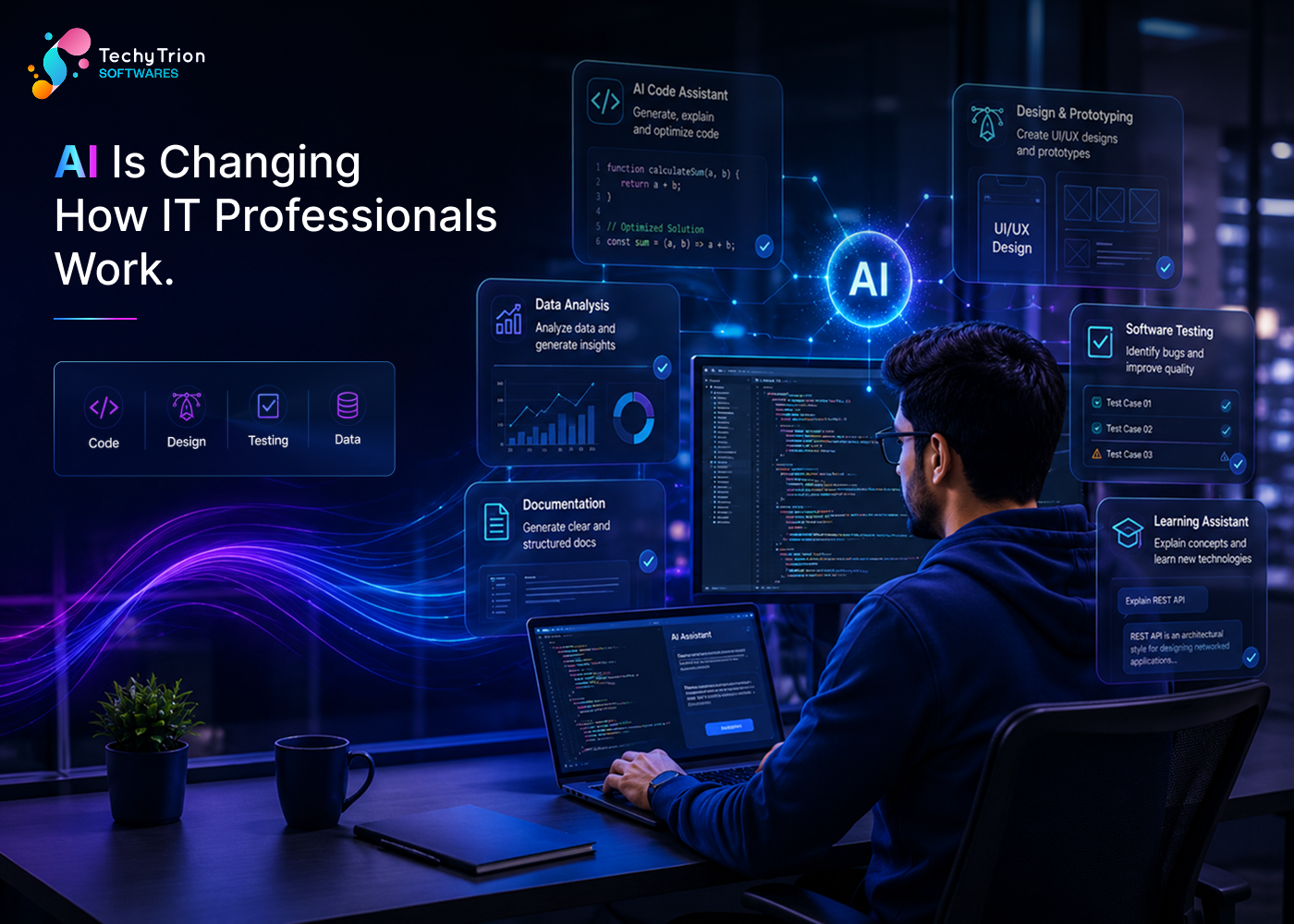
Artificial Intelligence (AI) has become an important part of the IT industry. Today, developers, designers, testers, marketers, and other IT professionals use AI tools to make their work faster and easier.

From writing code to generating ideas and finding solutions, AI is changing the way IT professionals work.

How IT Professionals Use AI

AI is commonly used for:

  • Writing and explaining code
  • Finding and fixing errors
  • Generating content and ideas
  • Creating designs and prototypes
  • Testing software
  • Analyzing data
  • Writing documentation
  • Learning new technologies

AI can complete many tasks within seconds that might otherwise take much longer.
Why Professionals Rely on AI

The biggest reason is productivity.

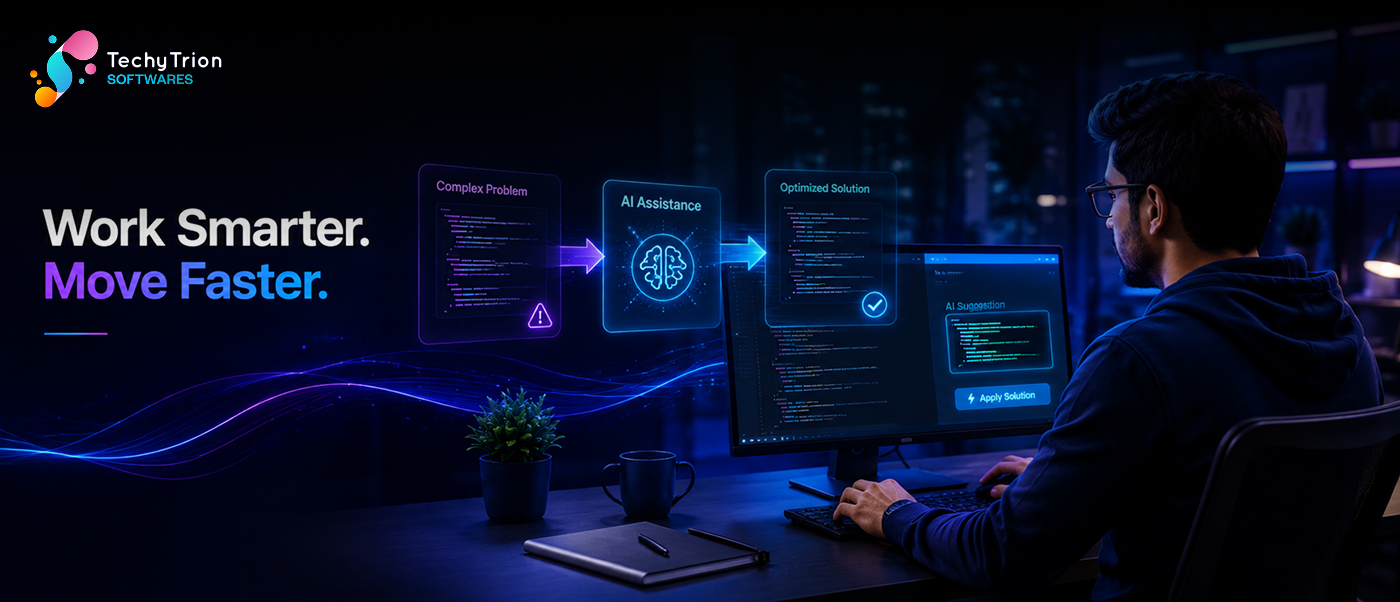
Instead of spending hours searching for a solution, professionals can use AI to get suggestions quickly. This allows them to spend more time on important tasks such as planning, decision-making, and solving complex problems.

AI is also useful for professionals who are learning new technologies. It can explain difficult concepts in simple language and provide examples.
Is Too Much Dependence on AI a Problem?

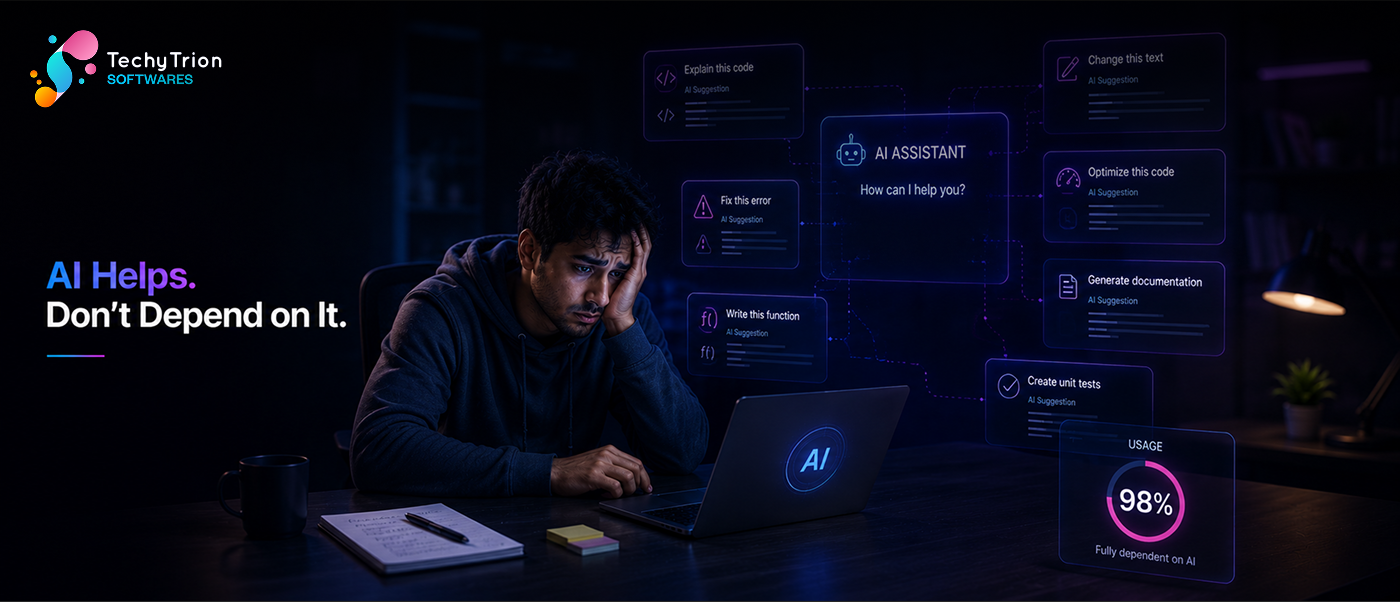
AI is helpful, but relying on it for everything can create problems.

For example, a developer who copies AI-generated code without understanding it may not know how to fix the code when something goes wrong.

Overdependence on AI can lead to:

  • Weak problem-solving skills
  • Less independent thinking
  • Gaps in technical knowledge
  • Security and coding mistakes
  • Dependence on incorrect information

AI can make mistakes, so its output should always be checked by a qualified professional.

AI Should Assist, Not Replace

The best way to use AI is as a supporting tool.

IT professionals should understand the problem first, use AI for assistance, and then review the results before using them.

For example:

Understand – Ask AI – Review – Improve – Implement

This approach allows professionals to save time without losing their technical skills.
Skills Still Matter

Even with advanced AI tools, human skills remain important.

IT professionals need:

  • Critical thinking
  • Problem-solving
  • Creativity
  • Technical knowledge
  • Communication
  • Decision-making
  • Ability to review and verify information

AI can provide suggestions, but humans are responsible for making the final decisions.

Conclusion

AI is changing the IT industry and making many tasks faster and easier. There is nothing wrong with using AI regularly. The real concern is depending on it without understanding the work.
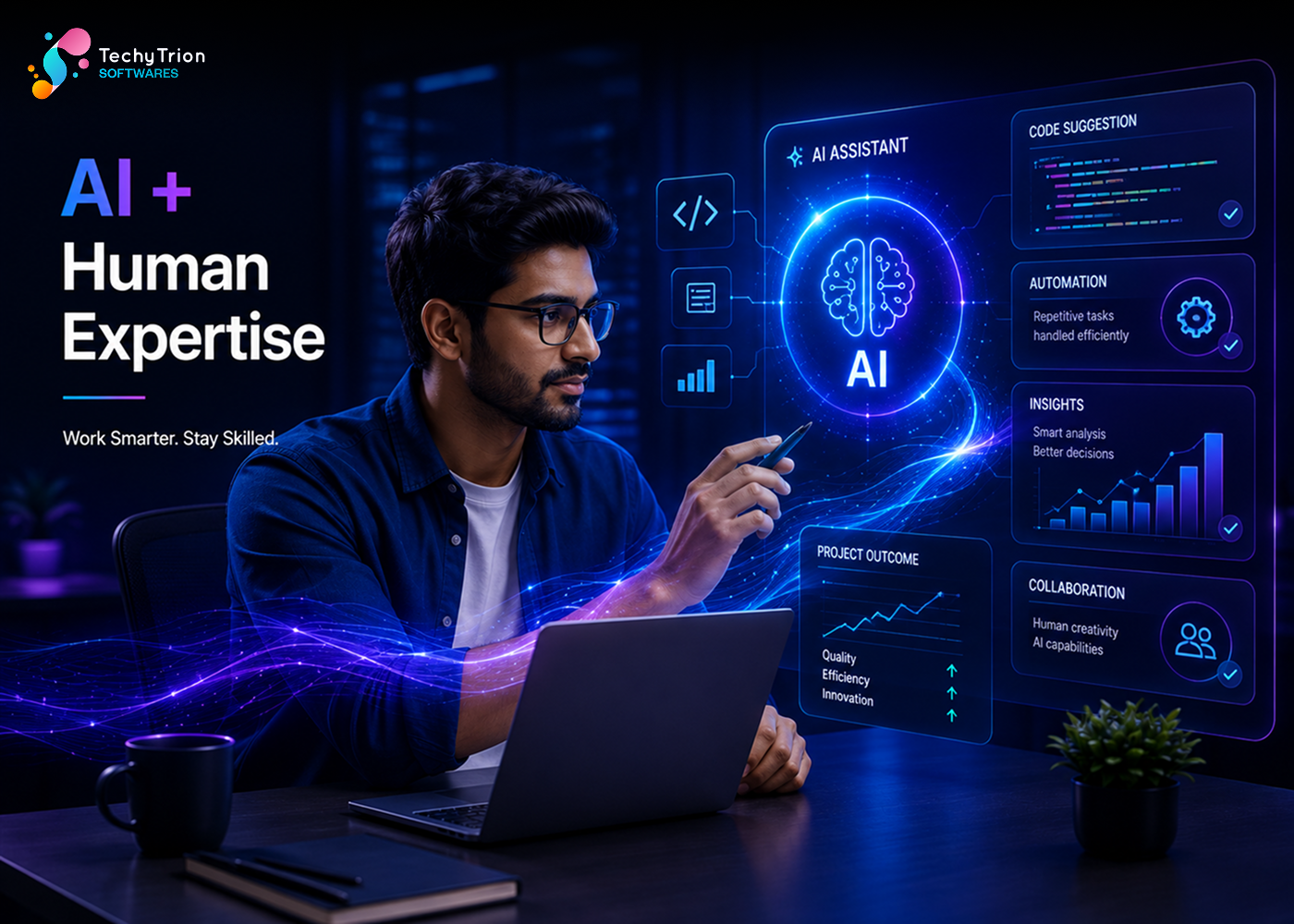
AI should be treated as a tool, not a replacement for knowledge.The future of IT will be strongest when human expertise and AI work together.

Use AI to work smarter, but keep learning to stay skilled.

Posted on — Leave a comment

Why CSR Activities Are Important in the Corporate World

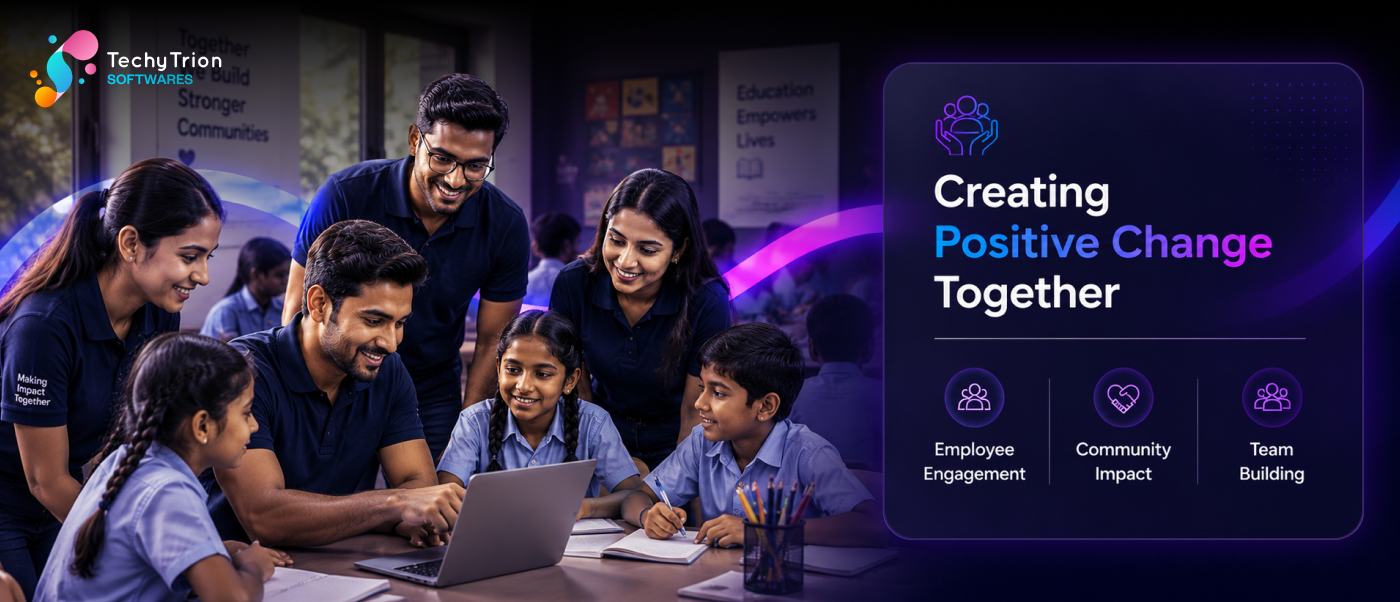
In today’s business environment, success is no longer measured solely by profits. Organizations are increasingly expected to contribute positively to society, the environment, and the communities they serve. This is where Corporate Social Responsibility (CSR) plays a vital role.

CSR activities are initiatives undertaken by companies to create a positive impact beyond their business operations. Whether it’s supporting education, environmental conservation, community welfare, or employee volunteering programs, CSR helps organizations become responsible corporate citizens.

1. Strengthens Company Reputation

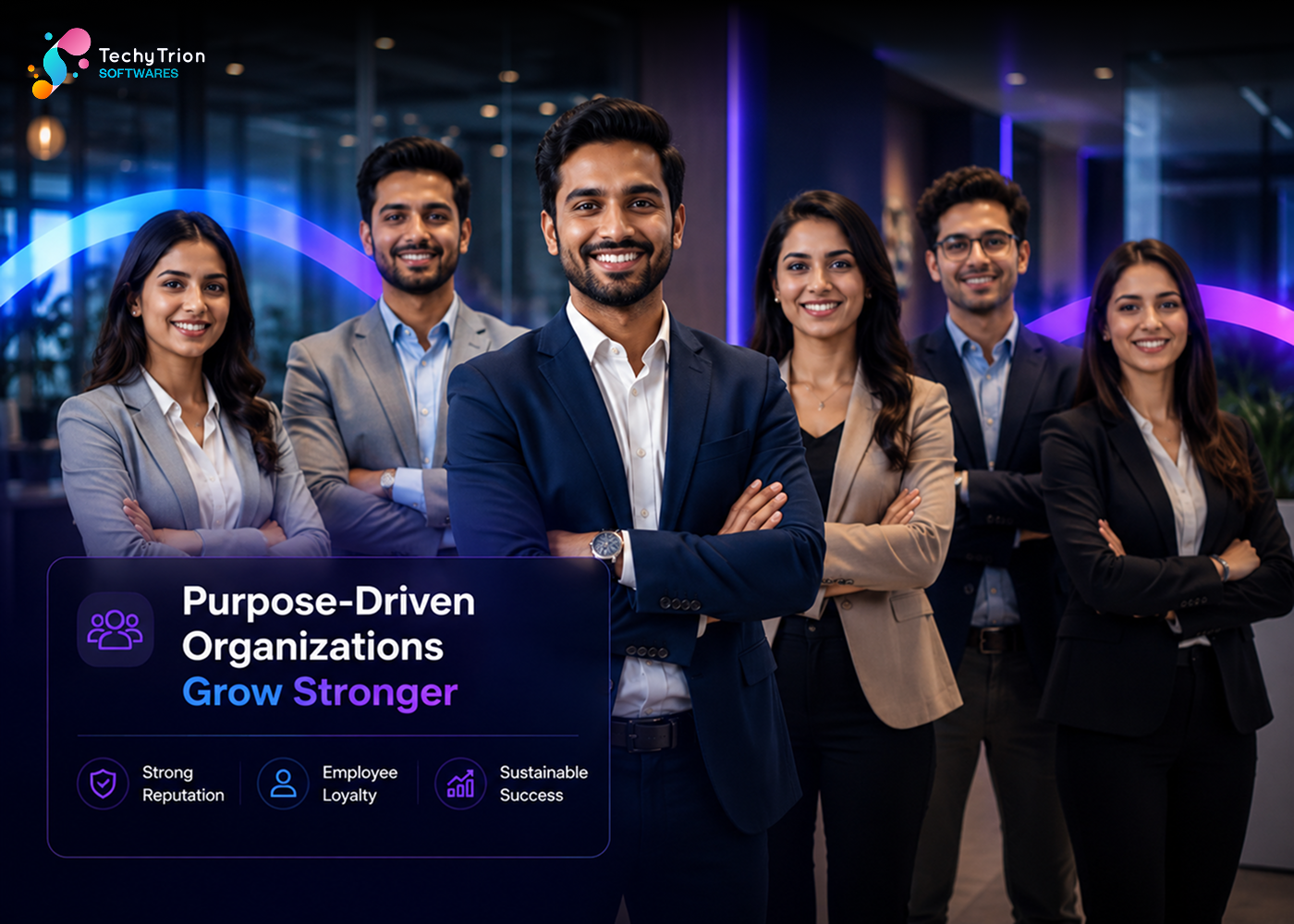
A company actively involved in CSR activities earns trust and respect from customers, employees, and stakeholders. People prefer to associate with organizations that care about social and environmental issues, enhancing brand image and credibility.

2. Improves Employee Engagement

Employees feel more connected to their workplace when they participate in meaningful social initiatives. CSR activities promote teamwork, boost morale, and give employees a sense of purpose beyond their daily responsibilities.

3. Builds Stronger Community Relationships

Businesses operate within communities, and giving back helps create stronger relationships with local residents and organizations. Supporting community development fosters goodwill and creates a positive social impact.

4. Encourages Team Building

CSR events such as charity drives, environmental campaigns, blood donation camps, or volunteering programs bring employees together outside of their regular work environment. These activities strengthen collaboration, communication, and team spirit.

5. Attracts and Retains Talent

Modern professionals, especially younger generations, prefer working for organizations that align with their values. A strong CSR culture can attract top talent and improve employee retention by creating a more fulfilling workplace.

6. Supports Sustainable Development

CSR initiatives focused on environmental sustainability help reduce waste, conserve resources, and promote eco-friendly practices. This contributes to a healthier planet and a more sustainable future for generations to come.

7. Creates Long-Term Business Success

Companies that invest in CSR often experience stronger stakeholder relationships, improved employee satisfaction, and enhanced customer loyalty. These factors contribute to sustainable growth and long-term business success.

Conclusion

Corporate Social Responsibility is more than just a business obligation- it’s a commitment to making a positive difference. By investing in CSR activities, organizations not only contribute to society but also create a stronger workplace culture, improve their reputation, and build a foundation for long-term success. In a world where businesses are expected to lead with purpose, CSR has become an essential part of responsible and sustainable growth.

Posted on — Leave a comment

Time Management for Working Professionals

In today’s fast-paced work environment, professionals often find themselves busy all day without achieving meaningful outcomes. The challenge isn’t a lack of time-it’s how effectively that time is managed.
Time management is a critical skill that enables individuals to prioritize tasks, improve efficiency, and maintain a healthy work-life balance.

Why Time Management Matters

Effective time management plays a key role in both professional and personal growth.

Key Benefits:

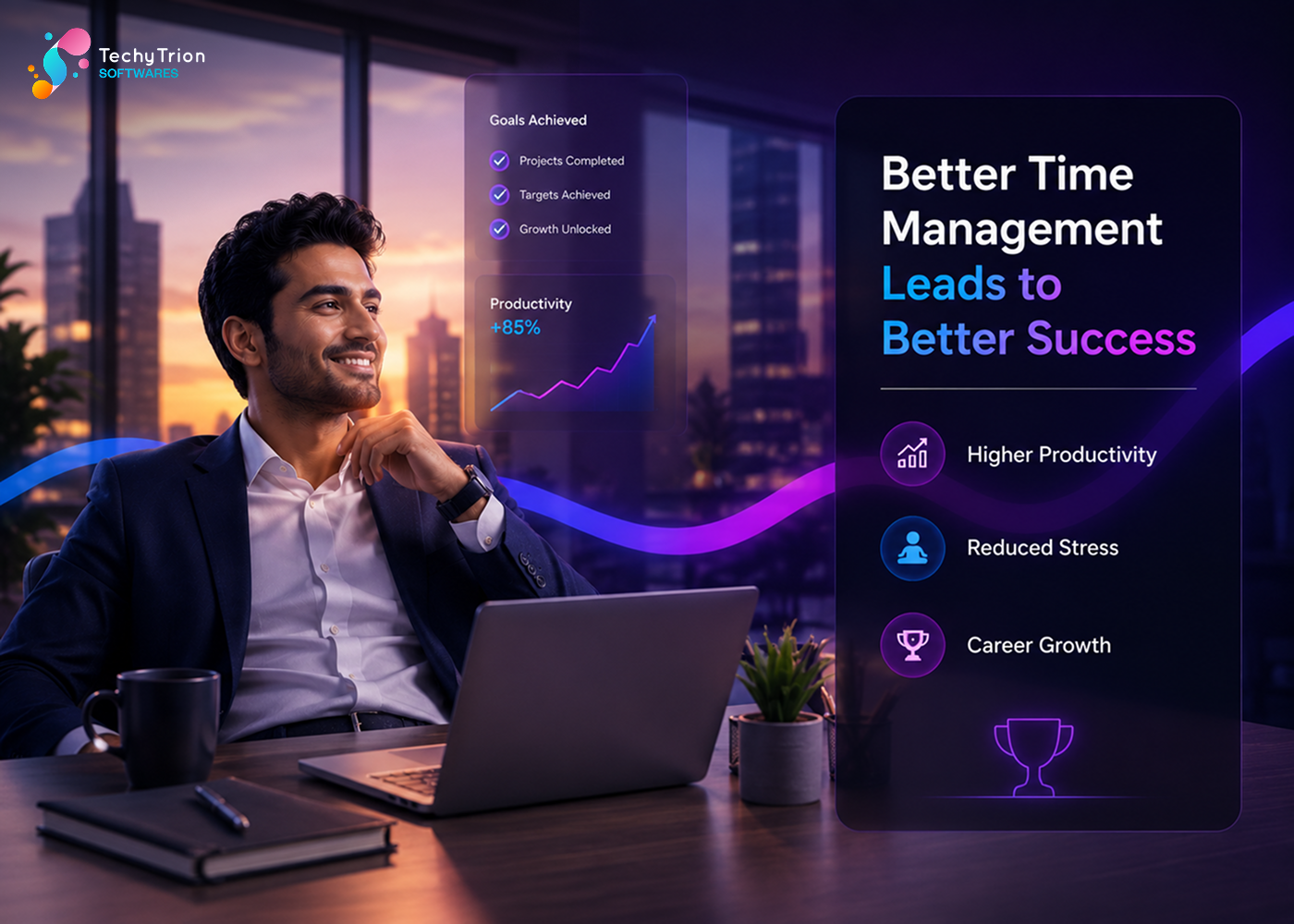
✔ Improved productivity and efficiency

✔ Reduced stress and burnout

✔ Better decision-making

✔ Enhanced work-life balance

✔ Increased career growth opportunities


Common Time Management Challenges

Many professionals struggle due to:

  • Frequent interruptions (calls, emails, meetings)
  • Lack of clear priorities
  • Multitasking habits
  • Overcommitment
  • Poor planning

Recognizing these challenges is the first step toward improvement.


Practical Strategies to Improve Time Management

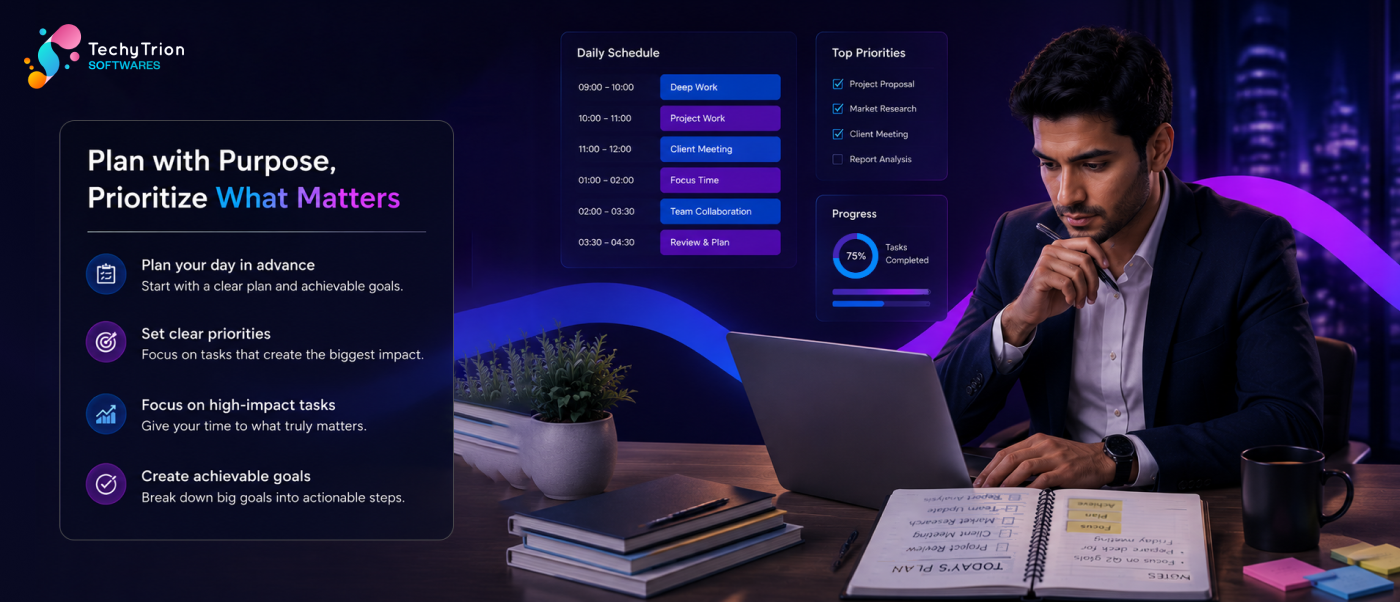
  1. Plan Your Day in Advance

Start your day with a clear plan. List tasks, set priorities, and define achievable goals.

  1. Focus on High-Impact Tasks

Not all tasks are equally important. Identify the ones that contribute most to your goals and prioritize them.

  1. Use Time Blocking

Divide your day into dedicated time slots for specific tasks to maintain structure and focus.

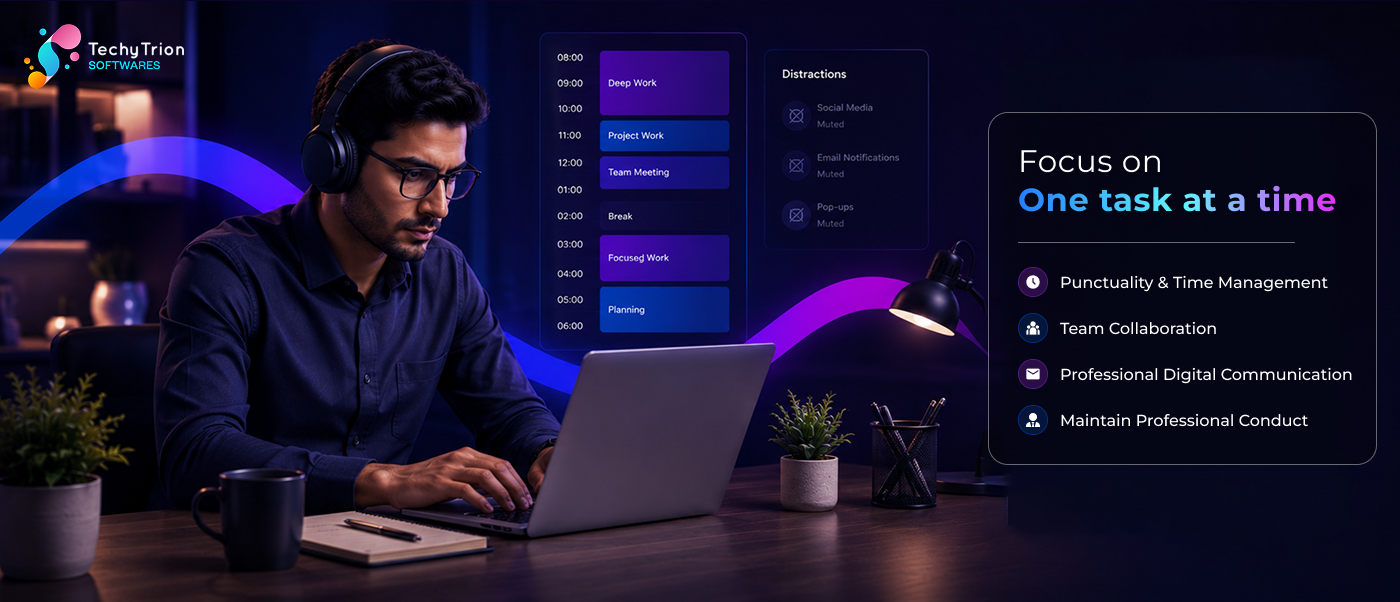
  1. Avoid Multitasking

Focus on one task at a time to improve quality and efficiency.

  1. Take Regular Breaks

Short breaks help refresh your mind and improve overall productivity.

  1. Minimize Distractions

Create a focused work environment by limiting notifications and unnecessary interruptions.

  1. Learn to Say “No”

Protect your time by avoiding low-priority or non-essential tasks.

Conclusion

Time management is not about doing more-it’s about doing what matters most. By adopting simple strategies and staying consistent, professionals can enhance productivity, reduce stress, and achieve long-term success.