Book call


Techytrion
Techytrion
 25, Sep 2026
 Web Development
In today’s fast-paced digital world, website speed plays a major role in online success. Users expect websites to load quickly and respond instantly. When a website is slow, visitors are more likely to leave before exploring the content, products, or services.
Website performance is no longer just a technical concern. It directly impacts user experience, search visibility, conversions, and business growth.
Why Is Website Speed Important?
A fast website creates a smooth browsing experience. Visitors can quickly access information, navigate between pages, and complete actions without unnecessary waiting.
For businesses, this can mean more engagement, more enquiries, and better conversion opportunities.
1. Better User Experience
Nobody likes waiting for a website to load. A fast and responsive website keeps visitors engaged and makes it easier for them to find what they need.

A good user experience also helps create a positive impression of your brand.
2. Better Search Engine Performance
Website performance is an important part of modern SEO. Search engines aim to provide users with high-quality experiences, and website performance can contribute to how a site performs in search.
Improving speed alongside quality content and technical SEO can help your website compete more effectively.
3. More Conversions
Whether you run an e-commerce store, service website, or lead-generation platform, speed can influence customer decisions.
A slow checkout, contact form, or product page can discourage potential customers from completing their journey.
4. Mobile Performance Matters
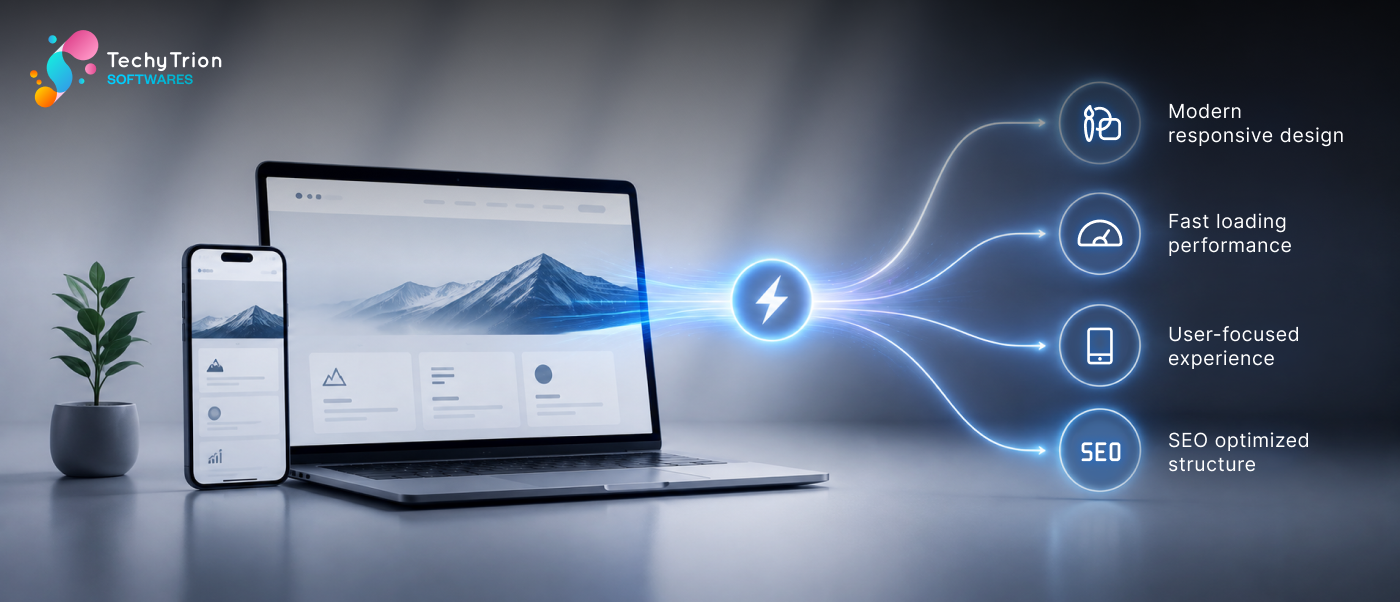
With a large number of users browsing from smartphones, websites need to perform well on smaller screens and varying network conditions.
A responsive website should not only look good on mobile devices but should also load and function efficiently.
5. Faster Websites Build Trust
A fast, smooth website gives visitors the impression that a business is professional and reliable. On the other hand, slow loading, broken elements, or delayed interactions can reduce confidence in a brand.
How to Improve Website Speed
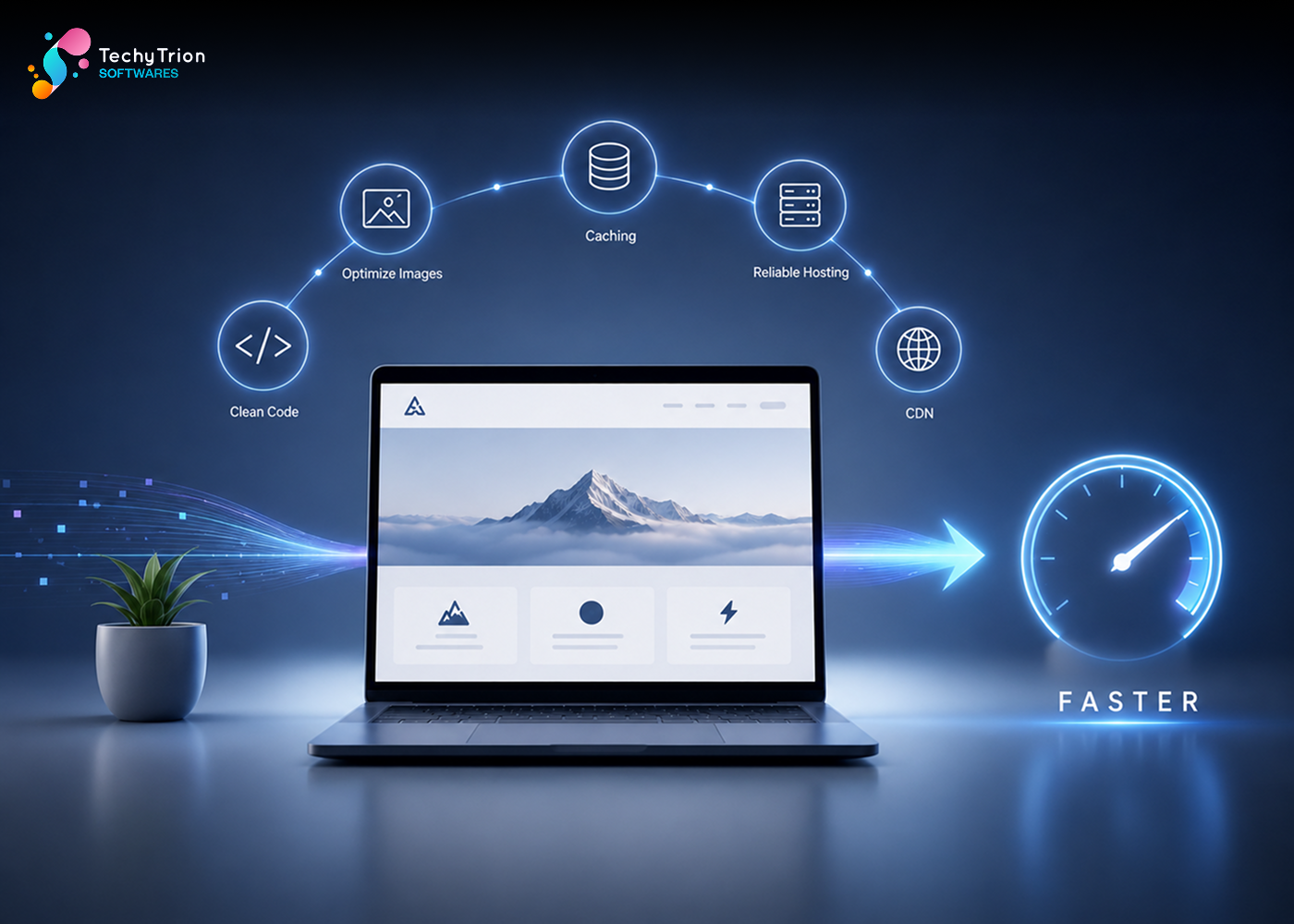
Businesses can improve website performance by:
- Optimizing and compressing images
- Reducing unnecessary plugins and scripts
- Optimizing HTML, CSS, and JavaScript
- Implementing caching
- Using reliable hosting
- Optimizing databases
- Using a CDN where appropriate
- Regularly monitoring website performance
Conclusion
Website speed is business performance. A faster website can provide a better user experience, support SEO efforts, improve engagement, and create more opportunities for conversions.
In a competitive digital landscape, every second matters. Investing in website performance today can help your business deliver a better experience and stay ahead tomorrow.
Search
You Need To Know

Get in Touch